
1. Amazon Dash Button
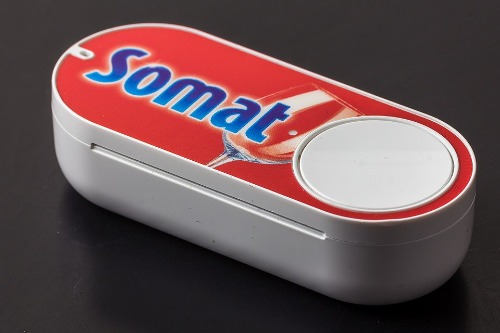
For a brief moment, the Dash Button felt like the future of household shopping. You stuck a small branded button near the washing machine or pantry, pressed it, and Amazon reordered that item instantly. In 2019, Amazon quietly stopped selling the buttons, and by 2020 the service itself was shut down. The reason was simple: voice ordering through Alexa and in-app shopping made a single-purpose plastic button unnecessary.
What made the disappearance feel sudden was how normal Dash Buttons had become in some homes. They were already paid for, already mounted, and already trusted. Then one day, they just stopped working the way people expected. Amazon didn’t need them anymore, and convenience had moved on.
2. Pebble Smartwatch
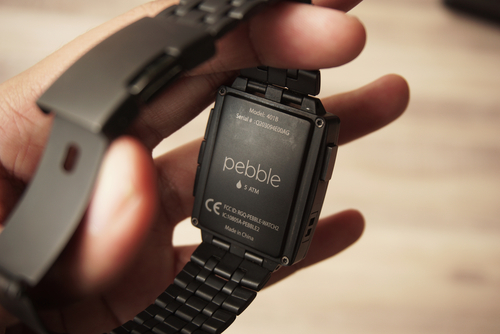
Pebble was one of the earliest smartwatches that regular people actually wore every day. It had long battery life, physical buttons, and a devoted community that loved its simplicity. In late 2016, Fitbit acquired Pebble and abruptly shut down its hardware operations. Existing watches still worked for a while, but Pebble as a product was effectively over overnight.
The surprise came from how healthy Pebble seemed from the outside. It had successful Kickstarter campaigns and strong brand recognition. Internally, it was struggling to compete with Apple and Samsung. When Fitbit pulled the plug, Pebble owners realized how fragile tech ecosystems can be.
3. Juicero Press

The Juicero Press was a sleek, Wi-Fi-connected juicing machine that cost hundreds of dollars. It was marketed as a premium kitchen appliance for health-conscious consumers. In 2017, after reports showed the juice packets could be squeezed by hand, the company shut down with little notice. Customers suddenly owned a very expensive, very useless countertop object.
Juicero’s disappearance was fast because the business model collapsed all at once. Once trust was gone, there was no way to justify the price or complexity. The machines didn’t break, but the idea did. It became a cautionary tale about overengineering everyday products.
4. Microsoft Zune
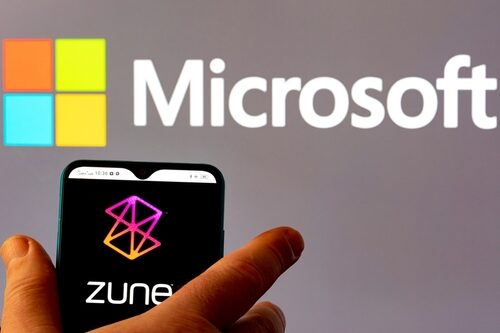
The Zune was Microsoft’s answer to the iPod and briefly showed real promise. It offered wireless sharing, a clean interface, and strong integration with Windows PCs. In 2011, Microsoft discontinued Zune hardware without a direct replacement. The brand slowly faded as the company shifted focus to smartphones and streaming.
What felt abrupt was how quickly Microsoft stopped talking about it. Zune owners didn’t get a dramatic farewell, just silence. The software lingered for a while, but the devices were done. The iPod had won, and Microsoft walked away.
5. Nintendo Virtual Boy
The Virtual Boy was Nintendo’s early attempt at virtual reality in 1995. It used red-and-black graphics and a tabletop headset that looked futuristic but felt uncomfortable. After poor sales and reports of eye strain, Nintendo discontinued it within a year. Many consumers barely had time to understand it before it vanished.
Its disappearance was driven by a rare Nintendo misstep. The technology wasn’t ready, and the experience wasn’t fun enough. Nintendo cut its losses quickly to protect its reputation. Today, it’s remembered more as a curiosity than a console.
6. Segway Personal Transporter
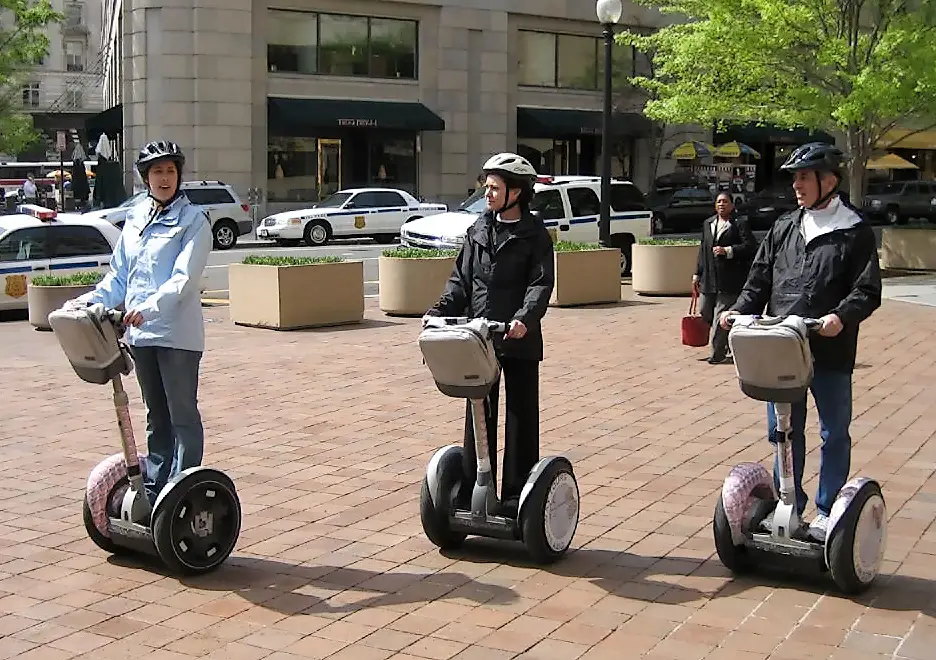
The Segway was once hyped as a device that would change how cities worked. It became more common with tour groups, security teams, and warehouse staff than everyday commuters. In 2020, production of the original Segway PT quietly ended. The company cited shifting demand and newer mobility products.
For something so recognizable, its exit felt strangely low-key. There was no replacement model and no big announcement campaign. The Segway didn’t fail outright; the world just moved in a different direction. Scooters and e-bikes filled the gap.
7. Google Glass (Explorer Edition)
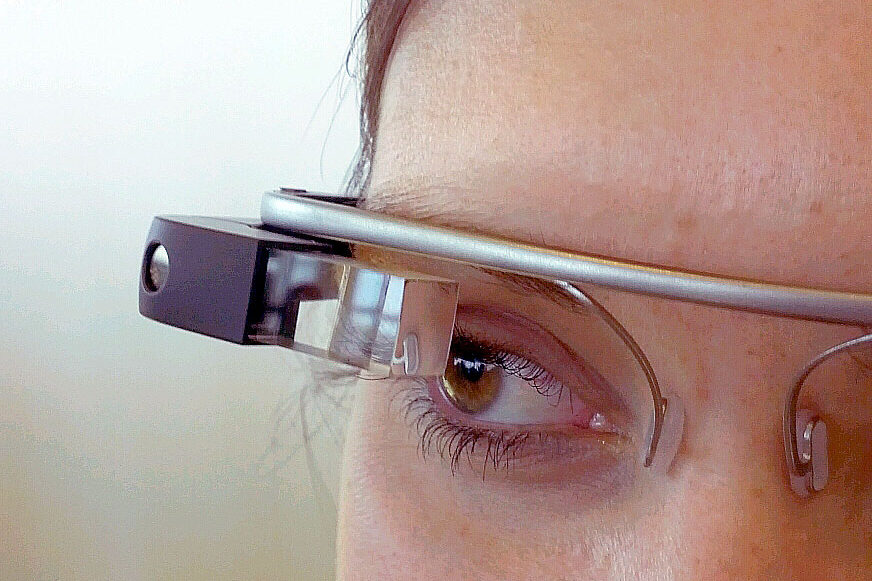
Google Glass appeared in public in 2013 as a bold experiment in wearable tech. Early adopters used it for photos, navigation, and notifications right in their line of sight. By 2015, Google stopped selling the consumer version without much warning. Privacy concerns and limited use cases made it a tough sell.
The sudden pullback surprised people who had already paid a premium to be testers. Google reframed Glass as an enterprise tool, leaving everyday users behind. The hardware didn’t vanish instantly, but its public presence did. It was a reminder that not every futuristic idea is ready for daily life.
8. Apple iPod Classic
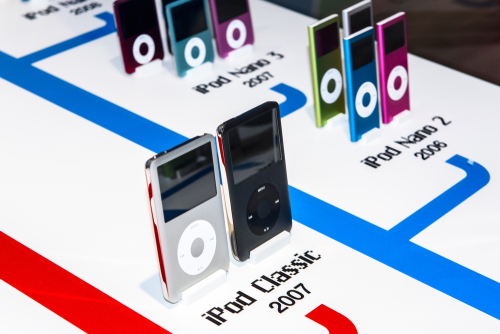
The iPod Classic was the iconic click-wheel music player that defined a generation. It offered massive storage and a simple, durable design people trusted. In 2014, Apple discontinued it quietly, citing difficulty sourcing parts. No direct replacement was offered.
Fans were caught off guard because demand hadn’t disappeared. Streaming was growing, but many still wanted offline music libraries. Apple’s strategy had changed, and nostalgia wasn’t enough to save it. The Classic vanished while still being loved.
9. Palm Pilot Handhelds
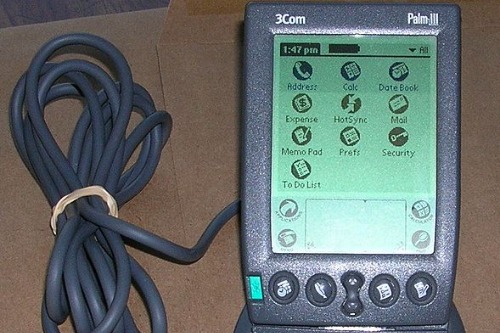
Palm Pilots were once essential tools for professionals and students alike. They handled calendars, notes, contacts, and simple apps with impressive efficiency. As smartphones improved, Palm’s standalone devices lost relevance. By the early 2010s, Palm-branded handhelds were gone.
The end felt sudden because Palm had once been dominant. There wasn’t a single farewell product or announcement. Instead, the category simply collapsed into smartphones. One day you needed a Palm, and the next you didn’t.
10. Kodak Kodachrome Film
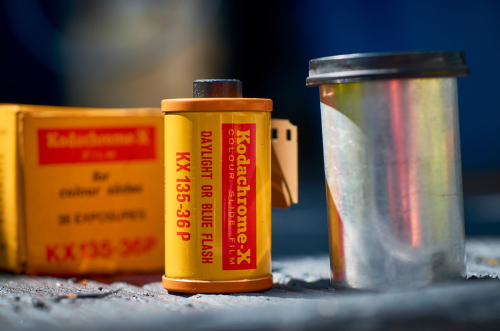
Kodachrome was one of the most famous color film stocks ever made. It was known for rich colors, sharpness, and longevity. In 2009, Kodak announced it would stop producing Kodachrome due to declining demand and processing complexity. The final roll was developed in 2010.
For photographers, the loss felt abrupt and emotional. Digital photography had been rising, but Kodachrome still had loyal users. Once production stopped, there was no substitute that behaved the same way. An everyday tool for decades simply ended.
11. HD DVD Players
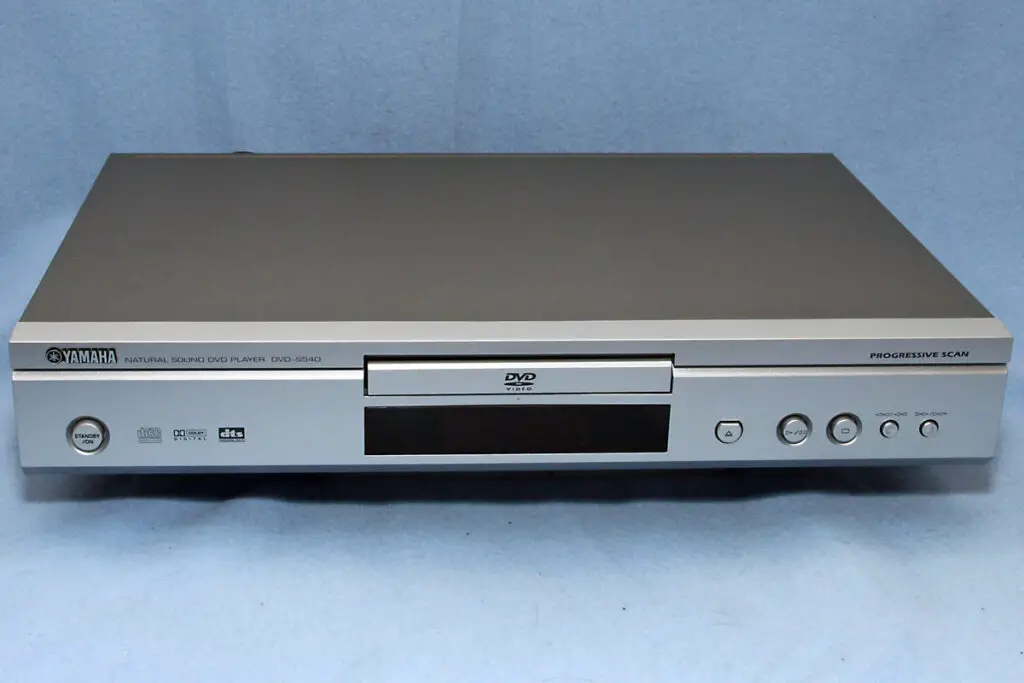
HD DVD was one of two competing high-definition disc formats in the mid-2000s. Consumers bought players believing they were investing in the future of home media. In 2008, Toshiba abruptly abandoned the format after losing industry support to Blu-ray. Overnight, HD DVD players became obsolete.
What made this painful was how recent the purchases were. These weren’t old devices; they were cutting-edge products. Retailers cleared shelves almost immediately. The format war ended fast, and consumers paid the price.
12. BlackBerry Classic
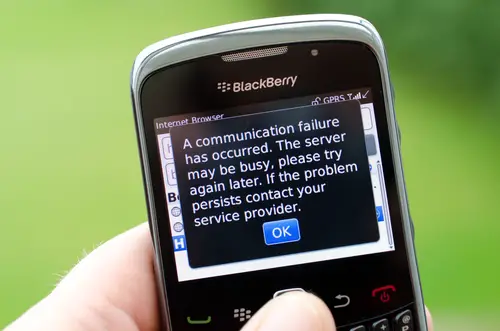
The BlackBerry Classic was designed to bring back the company’s iconic keyboard and navigation buttons. It appealed to users who valued physical keys and productivity-focused design. In 2016, BlackBerry discontinued the model as it exited the hardware business. The shift happened faster than many loyal users expected.
BlackBerry phones had once been everywhere. The Classic felt like a return to form, not a farewell. When it disappeared, it signaled that the era of keyboard smartphones was truly over. Touchscreens had fully won.
13. Sony MiniDisc Players
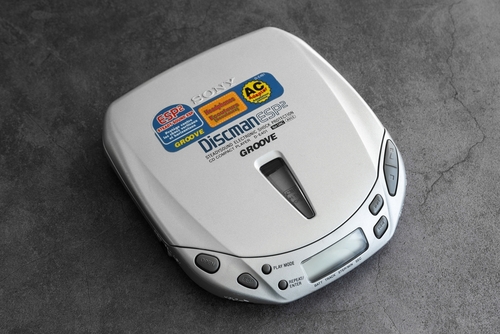
MiniDisc players were compact, durable, and popular for music recording and playback. They filled a niche between cassette tapes and MP3 players, especially in the late 1990s and early 2000s. Sony ended production of consumer MiniDisc players in 2013. The format quietly slipped away without fanfare.
The disappearance felt sudden to those still using them daily. MiniDiscs worked well and didn’t demand internet access or subscriptions. Streaming and solid-state storage made them unnecessary overnight. One day they were practical, and the next they were history.
This post 13 Everyday Objects That Disappeared From the Market Without Warning was first published on Greenhouse Black.
