
1. They Do a Full Walk-Around Before Moving

Experienced RVers take a slow walk around the rig before starting the engine. They look for unplugged cords, open compartments, loose hoses, and items left on the picnic table. This habit comes from knowing that small oversights cause big problems on the road. It’s easier to catch a dangling sewer cap while parked than at 55 miles per hour.
The reason this matters is simple mechanical reality. RVs vibrate constantly, and things shift even during a short stay. A walk-around reduces the risk of damage to the rig and to others on the road. Seasoned RVers have usually learned this lesson the hard way at least once.
2. They Level the RV Before Deploying Slides
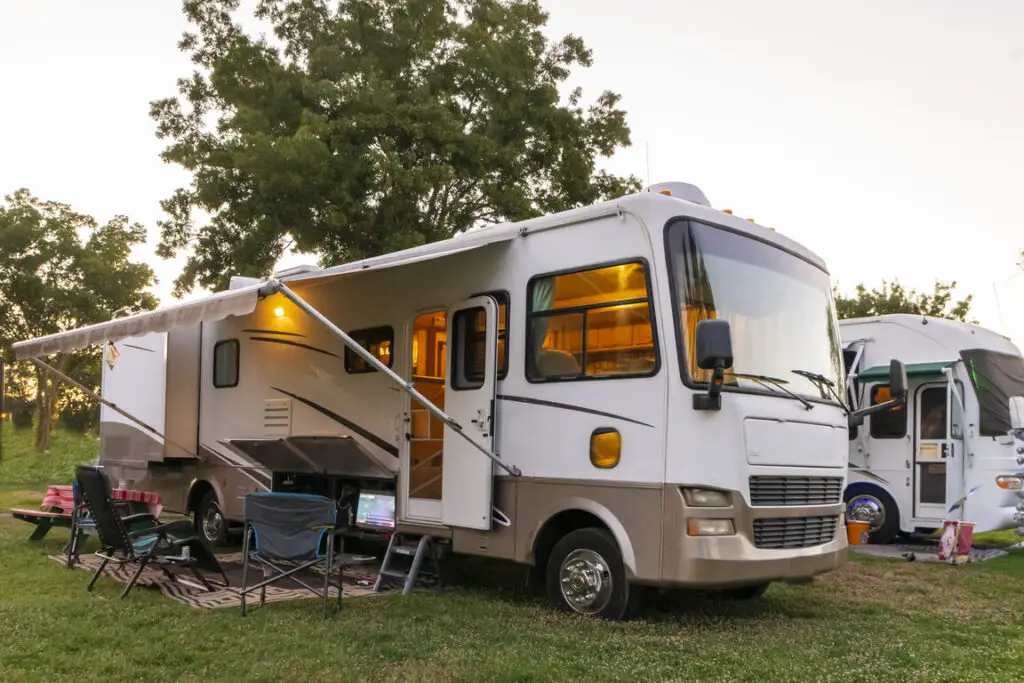
Veteran RVers pay attention to the order of setup. They level the RV side-to-side and front-to-back before extending slide-outs. This prevents twisting the frame or stressing slide mechanisms. Many RV manufacturers explicitly recommend this sequence.
The reason is structural, not cosmetic. Slides are heavy and rely on proper alignment to operate smoothly. Extending them on an unlevel rig can cause binding or long-term damage. Experienced RVers know repairs are expensive and patience is cheaper.
3. They Use Wheel Chocks Immediately After Parking
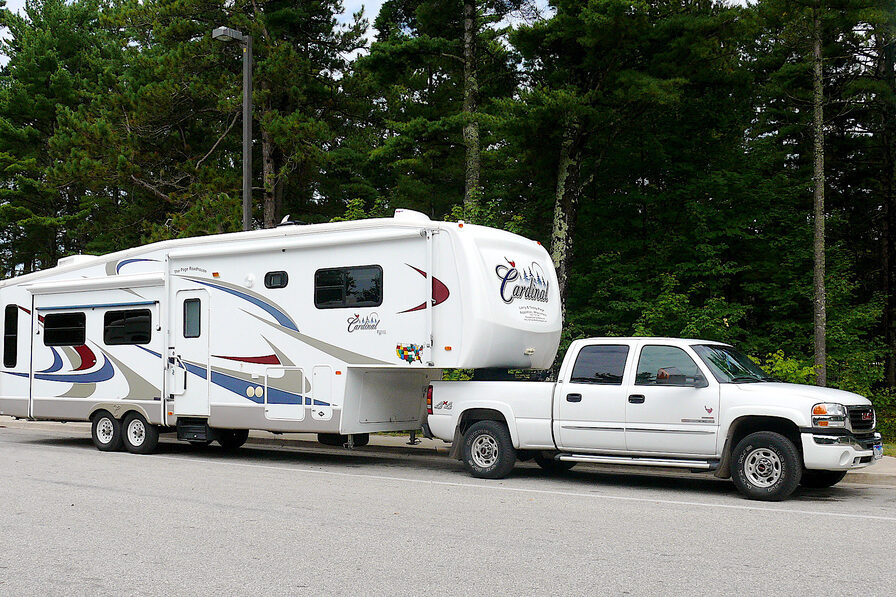
As soon as the RV stops, experienced RVers chock the wheels. They do this before unhooking a tow vehicle or releasing the parking brake. This prevents unexpected movement on uneven or soft ground. It’s a quiet habit that speaks volumes.
The reason is safety and physics. RVs are heavy, and even slight slopes can cause rolling. Wheel chocks provide a mechanical stop that doesn’t rely on hydraulics or transmissions. People who’ve seen an RV move when it shouldn’t never skip this step again.
4. They Connect Utilities in a Specific Order
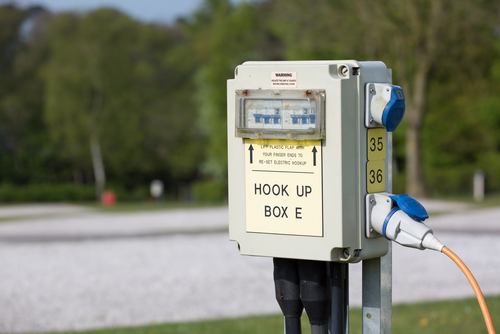
Seasoned RVers don’t plug everything in randomly. They typically connect electricity first, then water with a pressure regulator, and sewer last if staying awhile. This sequence allows them to check systems one at a time. It also prevents messy mistakes.
The reason is control and damage prevention. Water pressure at campgrounds can exceed what RV plumbing is designed to handle. Using a regulator and checking for leaks before settling in avoids flooding. Experienced RVers know that a rushed hookup often ends with towels on the floor.
5. They Always Use Hand Signals When Backing In

When backing into a site, experienced RVers rely on clear hand signals. They position a spotter where mirrors can see them at all times. Shouting directions is avoided because it causes confusion. Calm, deliberate movements are the norm.
The reason is communication efficiency. Hand signals are easier to see than hear over engines and wind. They reduce misunderstandings that lead to bent bumpers or crushed picnic tables. RVers who’ve backed into hundreds of sites learn that slow and silent works best.
6. They Check Tire Pressure When Tires Are Cold
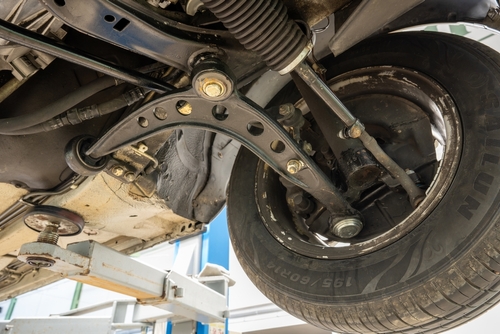
Experienced RVers check tire pressure before driving, not after arrival. They do it when the tires are cold and haven’t been driven on. This gives an accurate reading compared to manufacturer recommendations. It’s a small task with big consequences.
The reason is heat expansion. Driving heats tires and increases pressure, which skews readings. Underinflated or overinflated tires increase the risk of blowouts, especially on heavy RVs. Veteran RVers know tires are one of the most common roadside failure points.
7. They Dump Tanks in the Correct Sequence
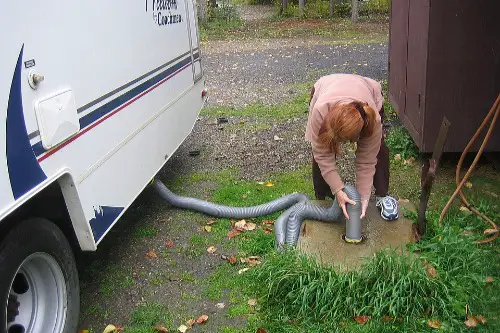
Seasoned RVers always dump the black tank before the gray tank. They let the black tank fully empty before opening the gray valve. This uses gray water to rinse the sewer hose. It’s done automatically, without discussion.
The reason is sanitation and maintenance. Black tanks contain solid waste that benefits from a strong flush. Gray water helps clear residue and reduce odors in the hose. RVers who skip this step usually regret it quickly.
8. They Use Sewer Hose Supports Without Being Asked
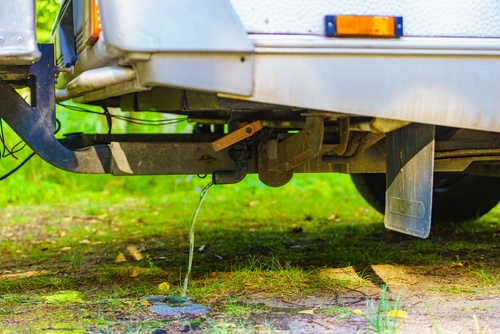
Experienced RVers set up a sewer hose support at campsites that allow it. They ensure the hose slopes consistently toward the sewer inlet. This prevents waste from pooling in low spots. It’s a detail beginners often overlook.
The reason is gravity and cleanliness. RV sewer systems rely entirely on gravity flow. Standing waste can cause clogs and unpleasant smells. People who’ve dealt with a blocked hose once tend to always use supports afterward.
9. They Don’t Use Stabilizers to Level the RV
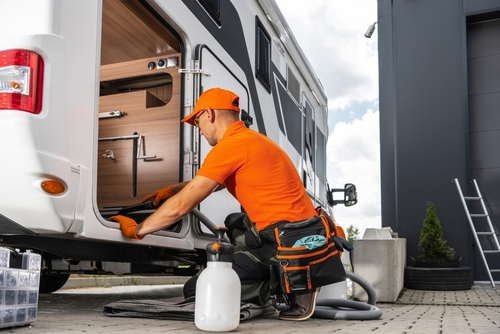
Veteran RVers know stabilizers are not jacks. They level the RV using blocks or leveling systems before deploying stabilizers. Stabilizers are only used to reduce movement inside. This distinction is subtle but important.
The reason is mechanical design. Stabilizers are not built to lift the weight of the RV. Using them incorrectly can bend or break components. Experienced RVers understand that less movement doesn’t mean proper leveling.
10. They Adjust Mirrors Every Time They Drive

Experienced RVers adjust their mirrors before pulling out, even if they drove the day before. They account for changes in load, passengers, or tow position. Proper mirror alignment gives a clear view down both sides of the rig. It’s done automatically and quickly.
The reason is situational awareness. RVs have large blind spots that can change with small adjustments. Mirrors that were fine yesterday might not be today. RVers who drive long distances know visibility reduces stress and prevents accidents.
11. They Watch the Weather Like It’s Part of the Route

Seasoned RVers pay close attention to wind, storms, and temperature changes. They check forecasts not just for rain, but for gusts and overnight lows. This affects driving decisions and campsite setup. It’s a quiet habit rooted in experience.
The reason is that RVs react strongly to weather. High winds can make driving dangerous, especially for tall rigs. Freezing temperatures can damage plumbing if unprepared. RVers who’ve been surprised by weather once rarely let it happen again.
This post Things RVers Do That Signal Experience Without Talking was first published on Greenhouse Black.
